
Myth or truth — is lead glass completely safe for users?
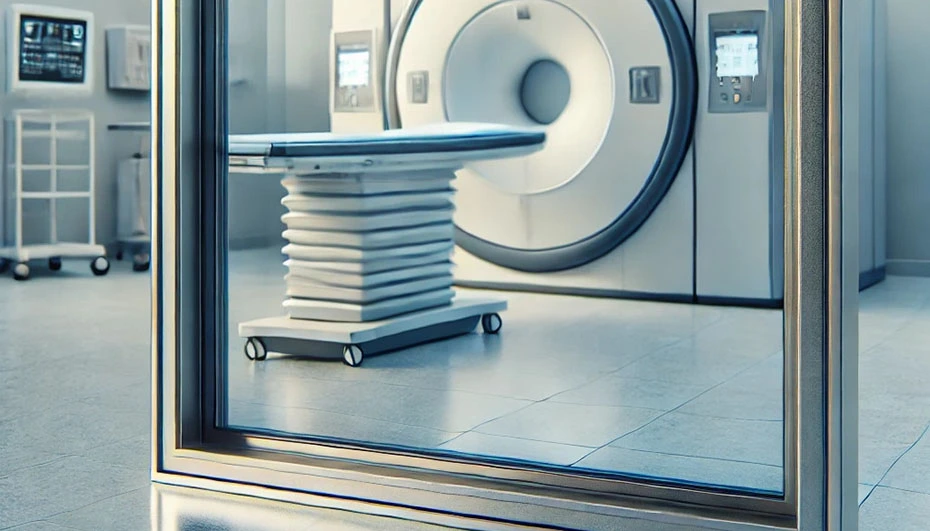
Lead glass is one of the most commonly used protective materials in the fields of radiology, medicine, nuclear industry, and scientific laboratories. Its primary function is to provide protection against ionizing radiation, making it indispensable in many specialized applications. Despite its critical role, many myths have arisen around this material. Many people wonder whether the presence of lead in the glass poses a threat to the health of users and the environment.
In this article, we will thoroughly discuss the safety of using lead glass panels and address the question of whether they are entirely safe. To start, it is worth exploring the topic of how the thickness of lead glass affects the level of radiological protection, to better understand the technical aspects of this material’s functionality.
What is lead glass and why is it so unique?
What makes lead glass stand out?
Lead glass, often referred to as lead panels or lead windows, is a specialized material known for its unique properties stemming from the presence of lead oxide (PbO). Lead oxide is added to the glass mixture, which significantly increases the material’s density and its ability to absorb ionizing radiation. This characteristic makes lead glass highly effective in protecting both people and equipment from the harmful effects of radiation while maintaining its transparency.
Key features of lead glass
- High density: Due to its structure, lead glass effectively absorbs X-rays and gamma rays, making it indispensable in environments exposed to radiation. Its density ensures optimal protection for both personnel and equipment.
- Transparency: Despite the presence of lead, lead panels remain fully transparent, allowing for clear monitoring of processes in controlled conditions without compromising safety.
- Durability: This material is resistant to moisture, temperature fluctuations, and many chemical factors, ensuring its longevity and reliability in demanding environments.
Why is lead glass used?
Lead windows are employed wherever protection against radiation is required. Here are some examples of applications:
- Medicine: Used as protective barriers in X-ray rooms, CT scan facilities, and mammography units. They enable safe monitoring of procedures while shielding against harmful radiation.
- Research laboratories: Facilitate safe experiments and procedures in environments exposed to radiation, ensuring the safety of personnel and sensitive equipment.
- Nuclear industry: Utilized in shielding for nuclear power plants, as well as facilities that handle radioactive waste, providing critical safety measures.
- Specialized construction: Incorporated as protective elements in buildings where radiation is present, ensuring both structural integrity and safety compliance.
Composition of lead glass and its impact on safety
The role of lead in glass
Lead oxide, the key component of lead glass, serves several crucial functions:
- Radiation absorption: With its high atomic number, lead effectively blocks ionizing radiation, making it an ideal material for protective applications. This property ensures the safety of both personnel and equipment in environments exposed to X-rays and gamma rays.
- Enhancement of physical properties: The addition of lead increases the density and strength of the glass while maintaining its transparency. This combination of durability and functionality makes lead glass indispensable in specialized environments where both protection and visibility are required.
Can the presence of lead be dangerous?
Concerns often arise regarding the presence of lead in lead glass panels. However, it is important to emphasize the following:
- Lead in glass is chemically bonded to the glass matrix, which significantly minimizes the risk of lead being released into the environment. This stable composition ensures safety during regular use.
- Even in the event of glass damage, the risk of releasing harmful amounts of lead is negligible. Any potential exposure would be minimal and not pose a significant threat.
- When properly used and maintained, lead glass does not present a danger to users or the environment, making it a safe and reliable choice for radiation protection applications.
Can lead glass release lead?
Analyzing the facts
The myth that lead glass panels release lead is often repeated, but there is no evidence to support this claim under normal usage conditions. However, there are certain scenarios that could affect the stability of the glass:
- Mechanical damage: Cracks or chips in the glass may slightly increase the risk of minimal lead release. However, such cases are extremely rare in practice and generally insignificant.
- Extreme environmental conditions: Prolonged exposure to very high temperatures or aggressive chemicals could potentially impact the stability of the glass, although this requires highly unusual circumstances.
In standard usage, lead glass remains stable and safe, providing effective protection without posing a risk of lead release.
Factors minimizing risk
To reduce the risk of potential issues, it is important to:
- Use lead glass according to the manufacturer’s recommendations: Following proper guidelines ensures the material remains stable and effective in its protective role.
- Avoid situations that may damage the glass: Preventing mechanical impacts, excessive pressure, or other stressors helps maintain the integrity of the lead glass.
- Regularly inspect the condition of lead glass panels: Routine checks for cracks, chips, or other damage ensure early detection of potential problems and allow for timely repairs or replacements.
Safety standards and regulations for lead glass
International regulations
To ensure complete safety during use, lead windows must comply with strict standards and regulations. Below are some of the most important guidelines:
- EN 61331: Standards related to radiological shielding, specifying the minimum requirements for effective radiation absorption. These standards ensure that lead glass provides the necessary level of protection in environments exposed to ionizing radiation.
- ISO 12543: Specifications regarding the durability and strength of laminated glass, which is often used in the production of lead glass panels. This ensures that the glass remains functional and secure under various conditions.
Compliance with these regulations guarantees that lead glass is safe for both users and the environment, providing reliable protection in critical applications.
How to properly use lead glass?
Usage guidelines
To ensure that lead glass panels remain completely safe, several essential principles should be followed:
- Proper installation: The installation of lead glass should always be carried out by qualified professionals with experience in handling and mounting radiation shielding materials. This ensures correct positioning and maximizes the protective capabilities of the glass.
- Avoid mechanical damage: Care should be taken to prevent the glass from being subjected to impacts or pressure that could lead to cracks or chips. Even minor damage can compromise the protective efficiency of the glass over time.
- Regular cleaning: Use gentle cleaning agents that are non-abrasive and free of harsh chemicals to maintain the surface of the glass. Avoid aggressive scrubbing or tools that could scratch the material.
- Technical inspections: Schedule periodic checks to assess the condition of the lead glass panels. Early detection of any wear or damage allows for timely repairs or replacements, ensuring the long-term safety and effectiveness of the glass.
By adhering to these guidelines, lead glass can maintain its protective properties and durability, providing a reliable barrier against radiation in various applications.
Is lead glass safe in practice?
Practical applications in radiological protection
In real-world use, lead glass proves to be highly effective as a protective barrier in environments exposed to radiation. Here are the most common applications:
- Shields in X-ray rooms: Lead glass panels enable clear observation of the patient during procedures, ensuring safety for medical personnel while providing essential radiation protection.
- Observation windows in laboratories: These windows allow safe working conditions when handling radioactive materials, enabling monitoring without direct exposure to harmful radiation.
- Mobile protective screens: Often used in operating rooms and other areas requiring flexible and reliable radiation shielding, these screens combine mobility with robust protection.
These examples demonstrate that lead glass is not only effective but also indispensable in maintaining safety and functionality in various professional settings exposed to ionizing radiation.
Conclusion — myth or truth?
In conclusion, lead glass is a completely safe material for users, provided it is used according to the manufacturer’s guidelines and meets the required safety standards. The lead in the glass is permanently bonded, which minimizes the risk of releasing harmful substances. Properly maintained lead glass panels are not only effective but also durable and reliable.
If you are looking for high-quality lead windows, visit the Coradika website, where you’ll find a wide range of products tailored to your needs. Our specialists are ready to assist you in choosing the right solutions for your project.